Phimosis Care at Vivanta – The Kidney & Surgical Hospital
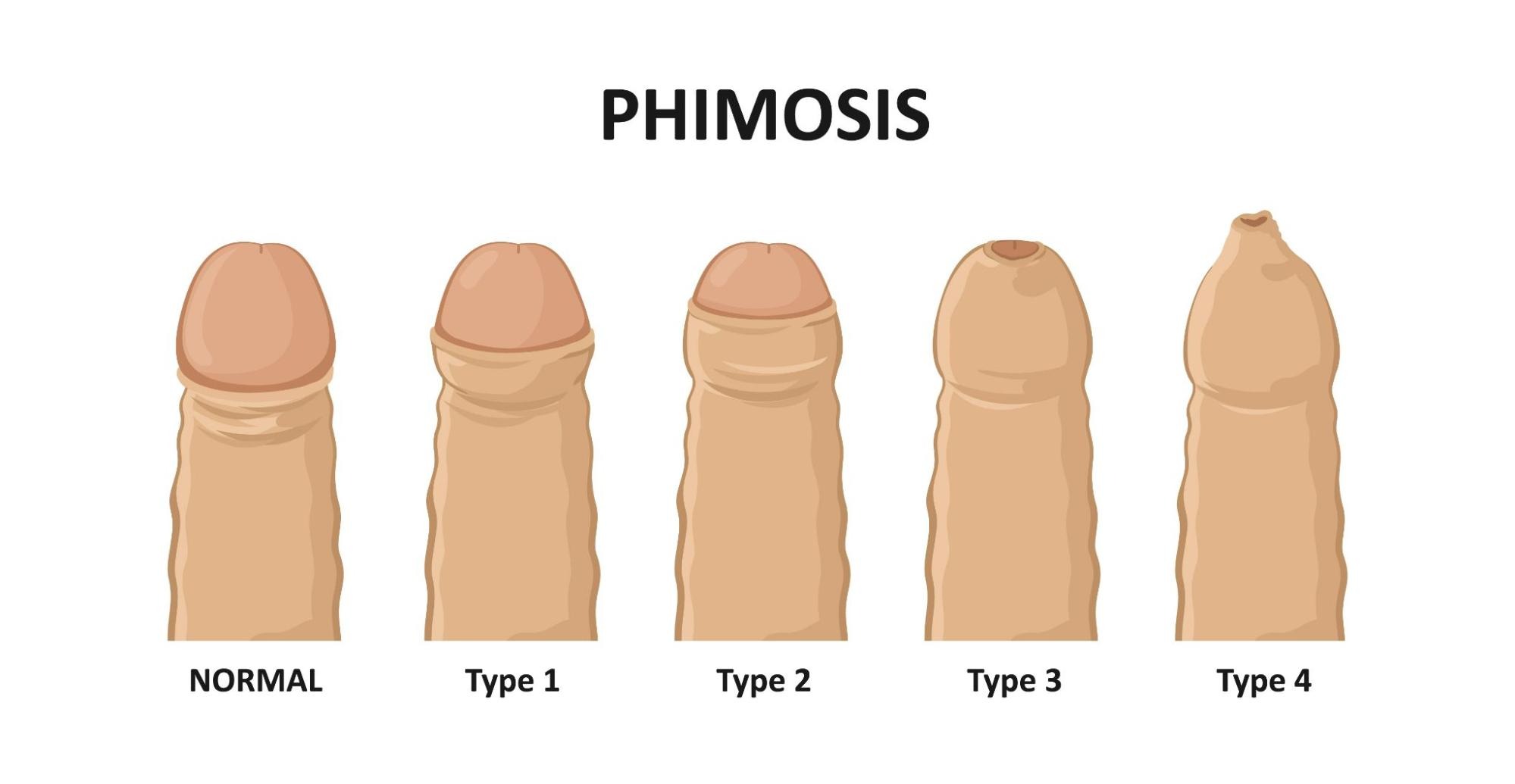
At Vivanta – The Kidney & Surgical Hospital, we provide expert and sensitive management for Phimosis—the condition characterized by a foreskin that is too tight to retract over the head of the penis (glans). While this tightness, known as Physiological Phimosis, is normal in infants and young boys and usually resolves naturally, when it persists, causes pain or results from scarring (Pathological Phimosis), specialized urological intervention is essential. Our focus is on restoring comfort, function and hygiene with the most appropriate, least invasive and cosmetically sensitive treatment plan.
I. Comprehensive Understanding and Diagnosis
A tight foreskin can progress from a non-symptomatic physical condition to one that causes significant discomfort, poor hygiene and urinary problems.
A. Recognizing Phimosis and Associated Complications
Symptoms that indicate the need for professional care include:
-
Pain and Discomfort: Especially during urination, erections or sexual activity in adults.
-
Recurrent Infections: Inability to properly clean beneath the foreskin leads to the accumulation of smegma, resulting in inflammation of the glans (Balanitis) or both the glans and foreskin (Balanoposthitis).
-
Urinary Obstruction: The foreskin “balloons” or bulges during urination, indicating that the opening is restricting the flow of urine.
-
Fissures or Tears: Small splits or bleeding of the foreskin opening, often due to forced retraction or infection.
-
Paraphimosis (Emergency): The most serious complication, occurring when a retracted, tight foreskin gets stuck behind the glans, causing painful swelling and restricted blood flow. This requires immediate medical attention.
B. Diagnostic Expertise
Our urology specialists perform a detailed, compassionate physical examination, assessing:
-
Degree of Retraction: Quantifying how far the foreskin can comfortably be pulled back.
-
Presence of Scarring: Identifying the hard, whitish ring of tissue often indicative of Pathological Phimosis, which may be caused by chronic inflammation or conditions like Lichen Sclerosus (Balanitis Xerotica Obliterans – BXO).
-
Underlying Causes: In adult men, we may screen for systemic conditions like Type 2 Diabetes, which is a known risk factor for acquired phimosis and recurrent infections.
II. Tailored Treatment Protocols
Treatment at Vivanta is structured to be conservative where possible, escalating to surgical intervention only when necessary or definitive.
A. Conservative and Non-Surgical Management
-
Topical Steroid Therapy: The first-line treatment for non-scarred (physiological) or mildly symptomatic pathological phimosis.
-
Mechanism: A high-potency corticosteroid cream (e.g., Betamethasone) is prescribed to be gently applied to the tight ring of the foreskin two to three times daily for 4-8 weeks.
-
Technique: The cream softens the skin and increases elasticity. This is combined with gentle, non-forceful manual retraction exercises after the initial softening period, promoting permanent loosening. This has a high success rate (often exceeding 70-80%) in appropriate cases.
-
Hygiene Education: Counseling on proper, gentle cleaning techniques to prevent irritation and recurring infections.
B. Minimally Invasive and Advanced Surgical Solutions
When non-surgical methods fail or for severe, scarred phimosis (due to BXO), surgical intervention provides a permanent solution. We prioritize techniques that ensure rapid recovery and optimal cosmetic and functional results.
-
Circumcision: The surgical removal of the entire foreskin.
-
-
Foreskin Preserving Surgeries: For patients who wish to retain the foreskin for cultural or personal reasons and whose phimosis is not due to severe scarring.
-
Preputioplasty: A procedure involving small, longitudinal cuts to widen the opening of the foreskin, allowing for full retraction without removal.
-
Dorsal Slit: Making a single lengthwise incision on the top of the foreskin. This is often used as an immediate relief measure for Paraphimosis or as a simpler surgical option in specific cases.
-
Laser Frenuloplasty: If the tightness is compounded by a short frenulum (the band of tissue underneath the glans), this minor procedure is often performed alongside other treatments to ensure full, comfortable retraction during an erection.
Why Choose Vivanta for Foreskin Care?
-
Specialized Urological Expertise: Our surgeons possess extensive experience in treating penile and foreskin conditions in both pediatric and adult populations.
-
Emphasis on Patient Choice: We discuss all available options—medical, conservative and surgical—to help you select the treatment that best aligns with your needs and lifestyle.
-
Rapid & Comfortable Recovery: Utilization of advanced techniques like stapler circumcision minimizes post-operative pain and ensures a quick return to normal activities.
We are committed to providing discreet, high-quality care that solves this common issue, leading to improved hygiene, comfort and sexual health.












 24 Hour Emergency Aid